About me
More than three decades with the sea
I have worked at the Ukrainian Scientific Centre of Ecology of the Sea (UkrSCES) since 1992. Over these years, my work has moved between the sea, the laboratory, environmental data and international cooperation — but the Black Sea has remained at its centre.
I trained as an oceanologist at the Odesa Hydrometeorological Institute and began my career at a time when marine research still relied heavily on long research cruises and direct observations at sea. Since then, the tools have changed considerably: satellite observations, numerical models, large environmental databases and new analytical methods have become part of everyday marine science. What has not changed is the need for reliable observations and long-term records.
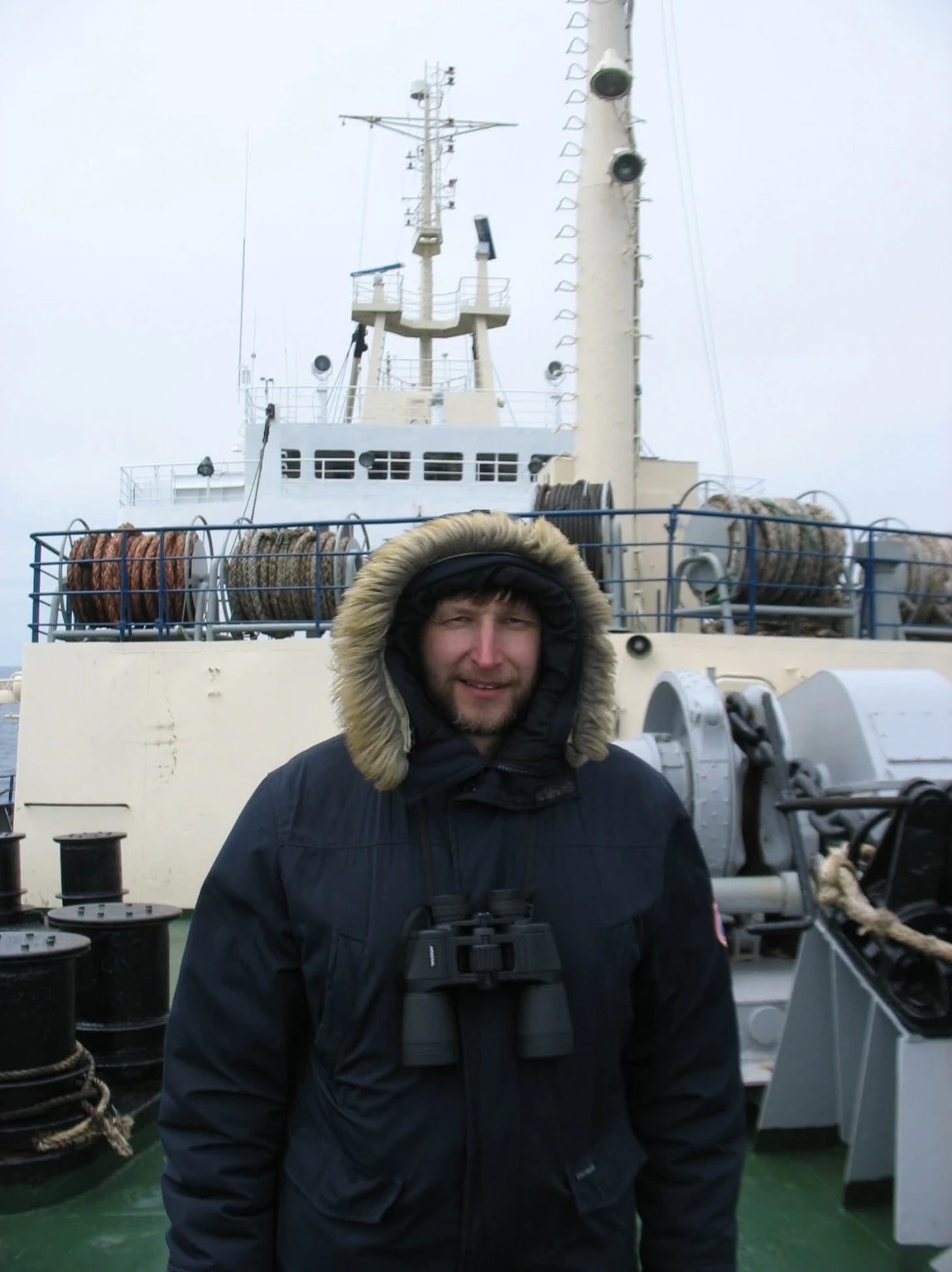
At sea
I have taken part in 25 research expeditions in the Black Sea and Mediterranean, the Atlantic and the Southern Ocean.
Fieldwork has strongly influenced the way I approach marine science. Data are never just numbers in a table: behind them are a particular place, weather conditions, a research vessel, sampling equipment and people working together.
This connection between observations and their environmental context remains important to me when interpreting long-term changes in marine ecosystems.
From observations to decisions
Over time, my work has increasingly connected environmental observations with questions of how marine ecosystems respond to human pressure.
I have worked on marine pollution, ecosystem assessment, environmental risk, data management and modelling, and on translating scientific evidence into information that can support environmental policy.
International cooperation has become an equally important part of this work. The Black Sea is shared by several countries, and understanding its condition is impossible without sharing observations, methods, experience and data.
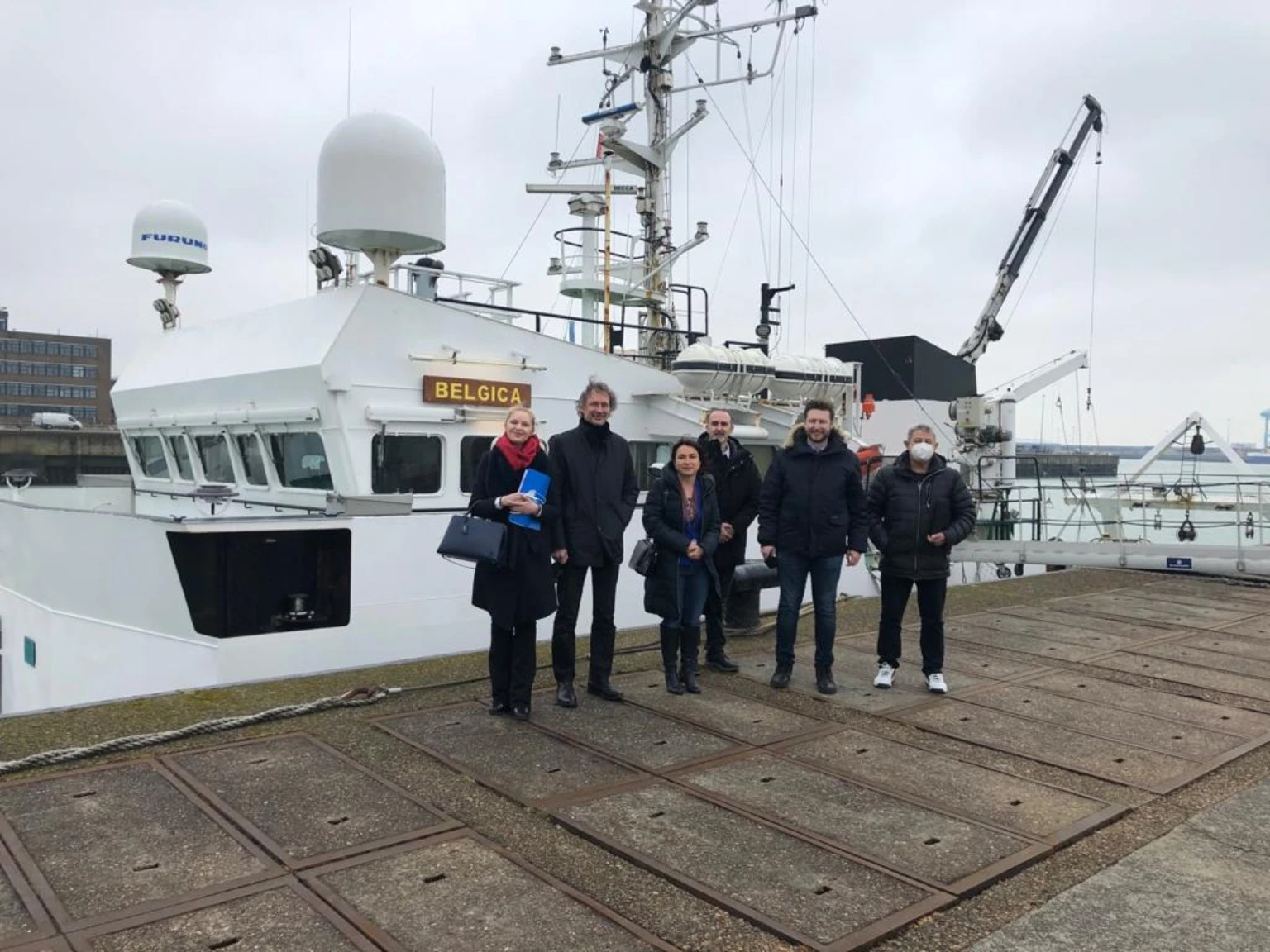
Science during the war
Since 2022, Ukrainian marine science has had to operate under conditions for which no monitoring programme was designed.
Research vessels and infrastructure have been affected, access to parts of the sea has become impossible, and new sources of environmental pressure have appeared.
An important part of my work today is therefore not only studying the environmental consequences of the war, but also helping preserve the continuity of Ukrainian marine observations, data and scientific cooperation.
Beyond the Black Sea
Work in European and international programmes has given me the opportunity to see the Black Sea in a broader context — as part of the global ocean observing system and of the common challenge of understanding and protecting the marine environment.
This includes cooperation through European research projects, GOOS, the UN Ocean Decade and other international initiatives.
What matters to me
I believe good marine science begins with observations that can be trusted, continues with an honest interpretation of what they tell us, and becomes truly useful when knowledge is shared.
The sea connects people, knowledge and a shared future.